
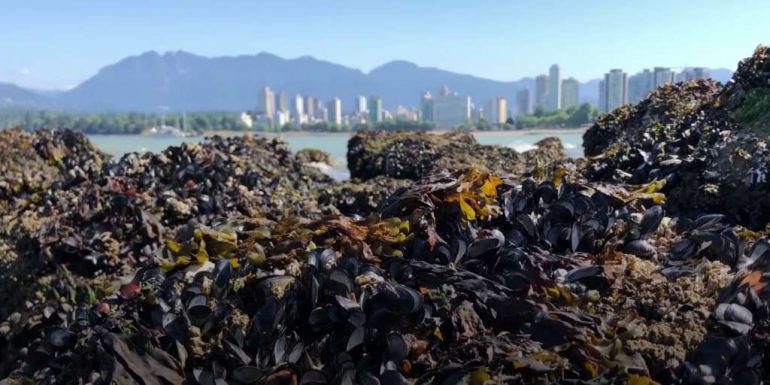
The heat is boiling on the beach in Canada. As a result, the water quality also suffers. An estimated billions of animals died off the coast of Vancouver.

in short needed
- In Canada, mussels are cooked in the heat on the beach.
- Usually they survive if they are in the air during low tide.
- It is estimated that more than a billion animals have died from Vancouver.
Breaking heat records, extreme droughts and wildfires every day: Canada and the US are in for a severe heat wave. Cooling centers have been made for the people.
But many animals can hardly be helped. For example mussels and clams. They get ripened by the heat directly on the beach and die instantly.
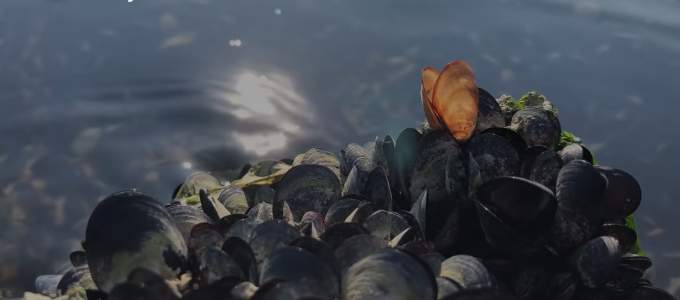
Mussels cling to boulders in the sea and are regularly released into the air during low tide. Usually this isn’t a problem. But this summer it’s like “parking a car in a heated parking lot,” says marine biologist Chris Harley.
Compared to “The Star,” he estimates that more than a billion animals, including many mussels, have died off the coast of Vancouver. This has a huge impact on other animals. Because mussels not only serve as food, they also purify water and enhance its quality.
More on the topic:

Claire Montgomery is a contributor to CA News Ottawa, covering news, politics, business, technology, sport, entertainment, and lifestyle. She focuses on clear, accurate reporting and useful information that helps readers stay informed about current affairs and developments that shape their communities. Her work highlights relevant stories, emerging trends, and important issues, presenting them in a balanced, accessible, and reader-friendly manner.